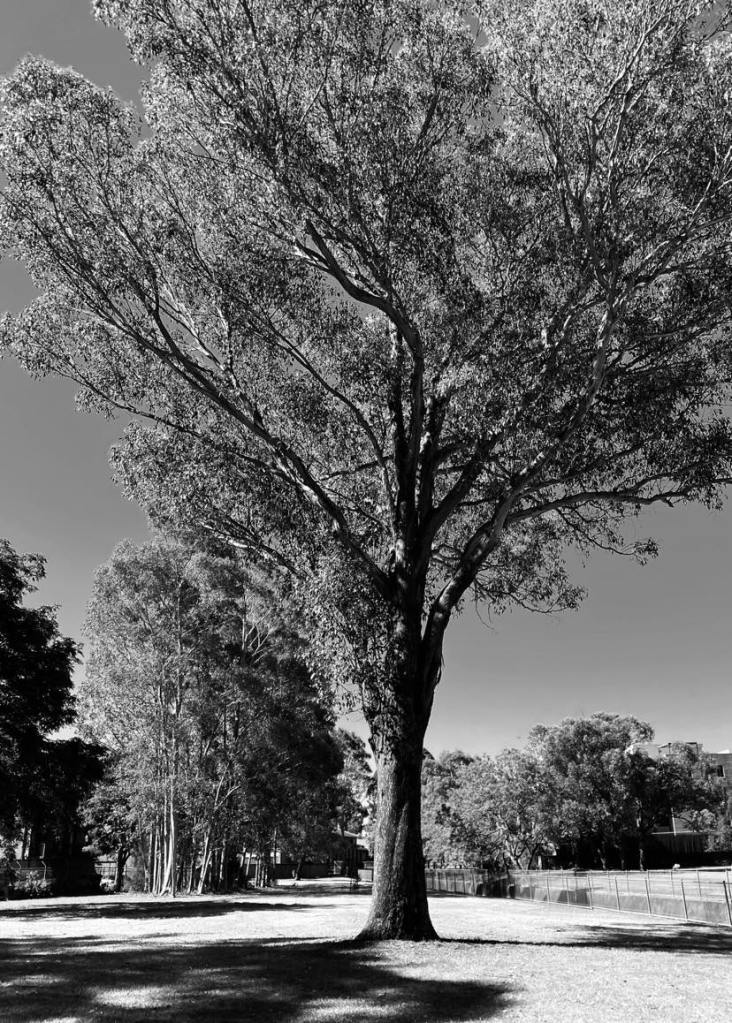
I kicked off my sandals, spread the blanket under the tree and opened “The Plague” by Albert Camus. The book was a bestseller, but I found it hard to read. I enjoyed the quirks like the old man who spat at cats for entertainment, the asthmatic who counted chickpeas to keep track of time and observations of human nature. My favourite line in the book is: “if there is one thing that one can always desire and sometimes obtain, it is human affection.”
I sat under the tree in the hopes that I could finish the book. The sun was gentle and warm and there was no one around to disturb me. I set my timer and read. After a while, it felt uncomfortable with my back pressed against the tree. I brushed off the bark from my back, adjusted my clothes and lay down on the blanket.
I felt my mind wander at times but out in nature, my phone couldn’t distract me. Camus was a philosopher, and his book addresses the big questions. Is it acceptable to choose love over the greater good? Is it okay to lie to spare someone’s feelings? A boy’s death from the plague is one of the most powerful moments in the book. The doctor tells the father that his son didn’t suffer when everyone who witnessed the boy’s death is haunted by it.
With only four pages to go, I shut the book and packed the picnic blanket which now took up twice the space it originally had. I walked along the canal and noticed a stray I had seen before on my walks. When he noticed me, he scurried away and then turned around wide-eyed to see if I would follow. I did and he kept hurrying away and pausing. I stopped at the bridge to look at the stray who resembled my cat. Now at a safe distance, he stared back in return. The cat was exposed to the elements and alone but picked the best spot available.
It started out with an animal. Dead rats heralded the arrival of the plague in the city of Oran in Algeria. The officials initially downplayed the issue until they couldn’t. The city ran out of coffins and space to bury the dead, yet the residents walked the streets freely, frequenting restaurants and carrying on as best as they could while grieving their beloved shut out of the city. The male protagonists do their best to fight the plague by risking their lives. They don’t crave recognition for their efforts or believe they can significantly alter the outcome despite their efforts.
It’s hard to imagine that being the norm today. I think of a day at work where I got off the lift one day with a curly haired woman who sat on the same floor. She sat nearby and kept to her team who would say hello or stop for the occasional chat if our paths crossed. That day in the lift, uncharacteristically, she smiled at everyone and bowed to give them way. When everyone got off, she let her husband in with her pass to ride down to the basement together. We want to be seen as nice even when our actions are primarily dictated by self-interest.
At home, I finished the book. I wasn’t expecting a happy ending, but it felt bleak despite the plague ending. Dr Rieux, one of the main characters who works tirelessly throughout the plague is left with a dead wife and a dead best friend. He still has his work and his mother who is barely mentioned throughout the book, though she lives with him.
We suffer and carry on but there are moments of respite. Dr Rieux has his moment when he goes swimming with his friend Tarrou who later dies. They swim together in the warm sea under the sky of moon and stars and in that moment, no one else exists, nothing else matters and life is sweet.
 Nosheen
Leave a comment